Our vision
A room for the mind.
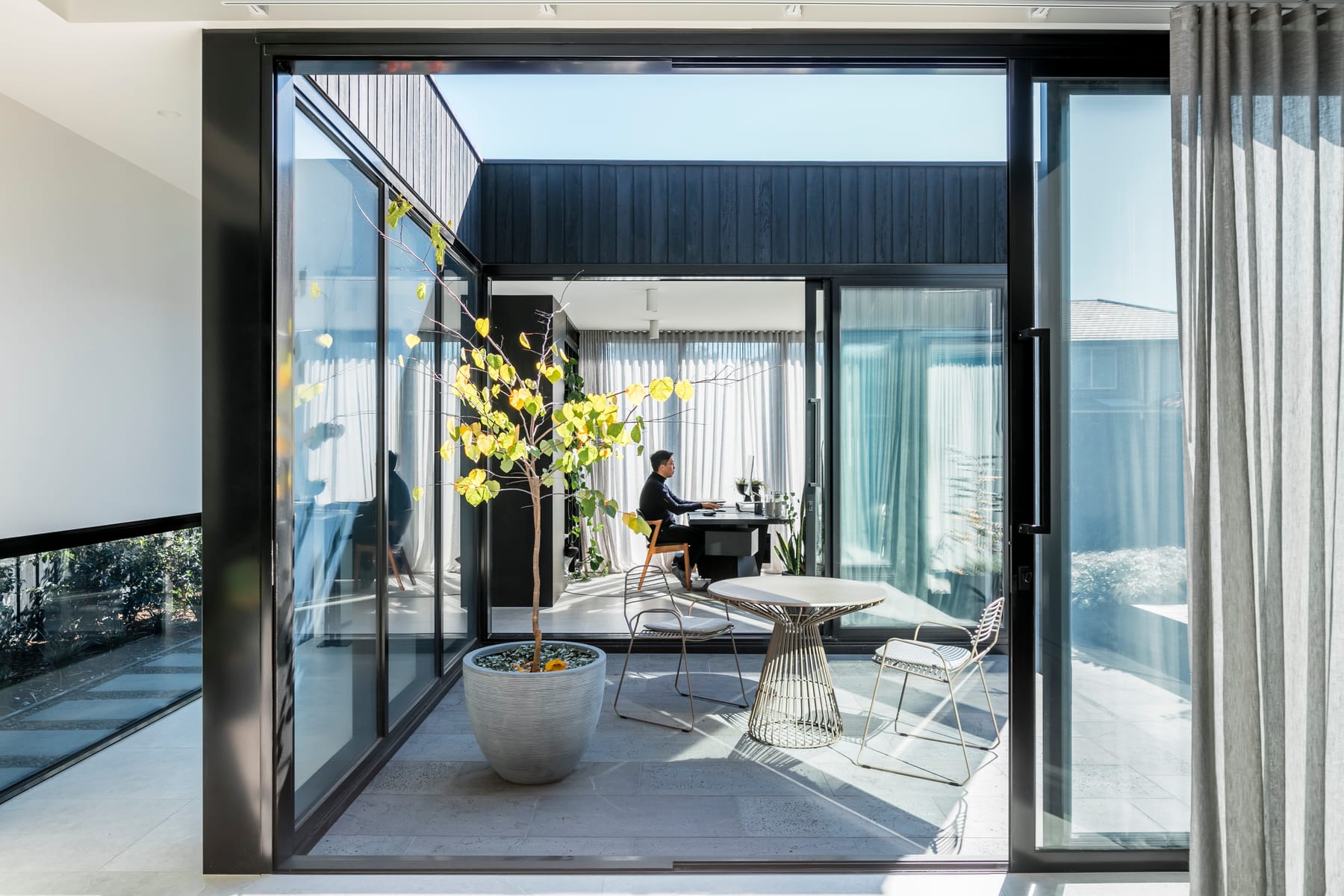
The room we forgot to build
Somewhere in the pursuit of bigger, more luxurious, more efficient homes, the one space that could hold our mental energy was left off the floor plan.
Every home is designed around what the body needs. A bedroom to sleep. A bathroom to wash. A kitchen to eat. A living room to gather and be entertained. But where is the room for the mind to do nothing?
Construction cost, square footage and finishes became the standard — while the space for mental energy quietly disappeared. We believe this is not a small oversight. It’s a missing room.
What we believe
Its own place
Mental wellbeing isn’t a feature you add with a candle or a corner cushion. It deserves its own place, intentionally designed — the same way we design for sleeping, cooking or bathing.
An incomplete home
A home without space to recharge the mind is an incomplete home — no matter how large or well-finished it is.
For every family
Every family — especially the young generation and those who are vulnerable — deserves a home that protects their mental energy, not just their physical routines.
Part of the standard
The room for the mind should be built into homes not as a luxury add-on, but as a basic component of how people live.
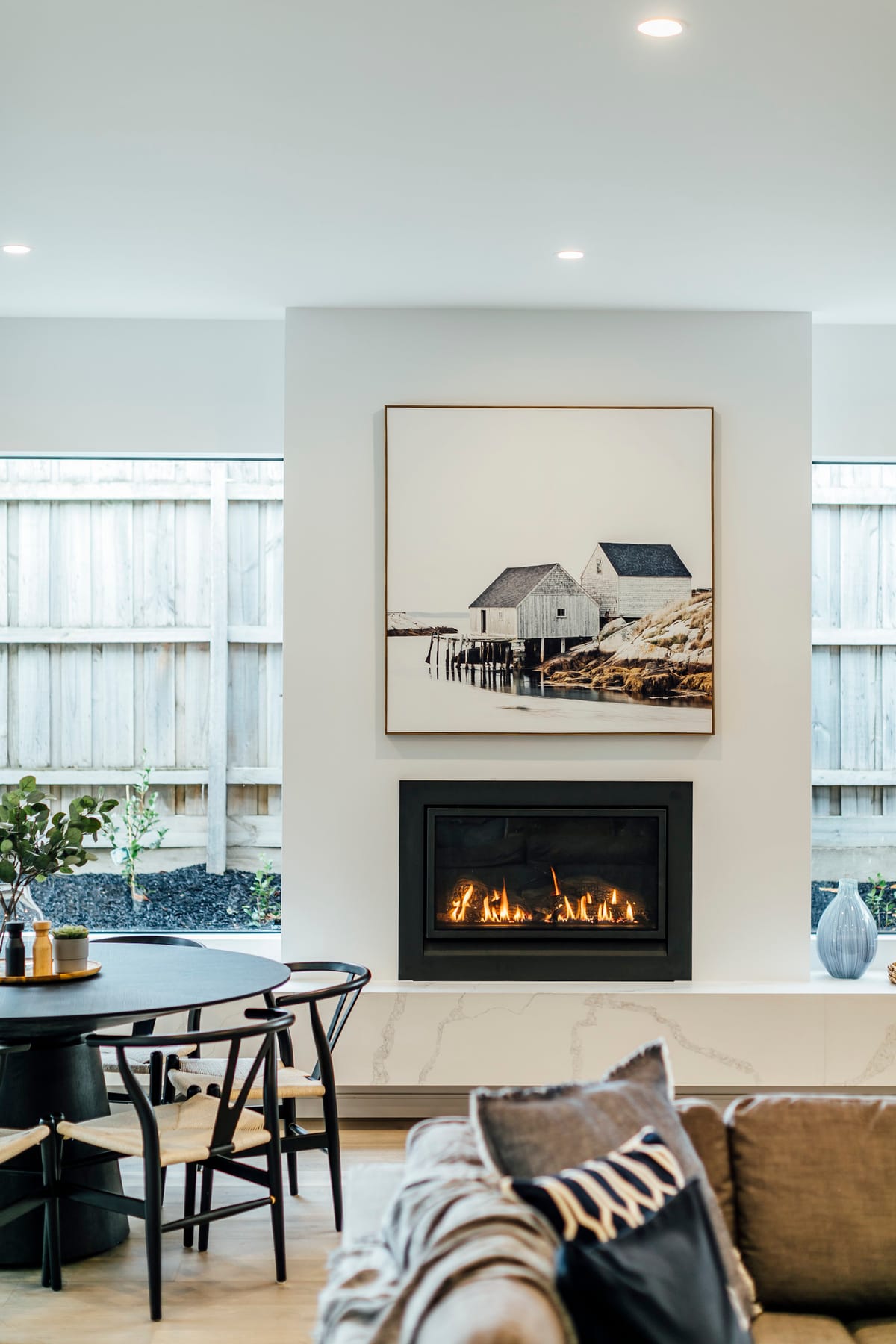
Our practice
Bringing the missing room back into the standard.
Through our practice, we explore what this space could look like, why it matters, and how it can be built into homes. We want to raise this awareness with families everywhere — and make sure the next generation grows up in a home that was designed for their minds too.
Explore MONK Architecture →How we collaborate
We’re looking to work with architects, interior designers, developers, mental health practitioners and families who see this gap and want to help close it — whether that means researching what this space needs, designing it, building it, or simply starting the conversation in their own homes.
- Researching what the room needsResearch
- Designing it into new and existing homesDesign
- Building it as part of the standardBuild
- Starting the conversation at homeAdvocate
“If you believe a home isn’t complete without a room for the mind, we want to build that room with you.”